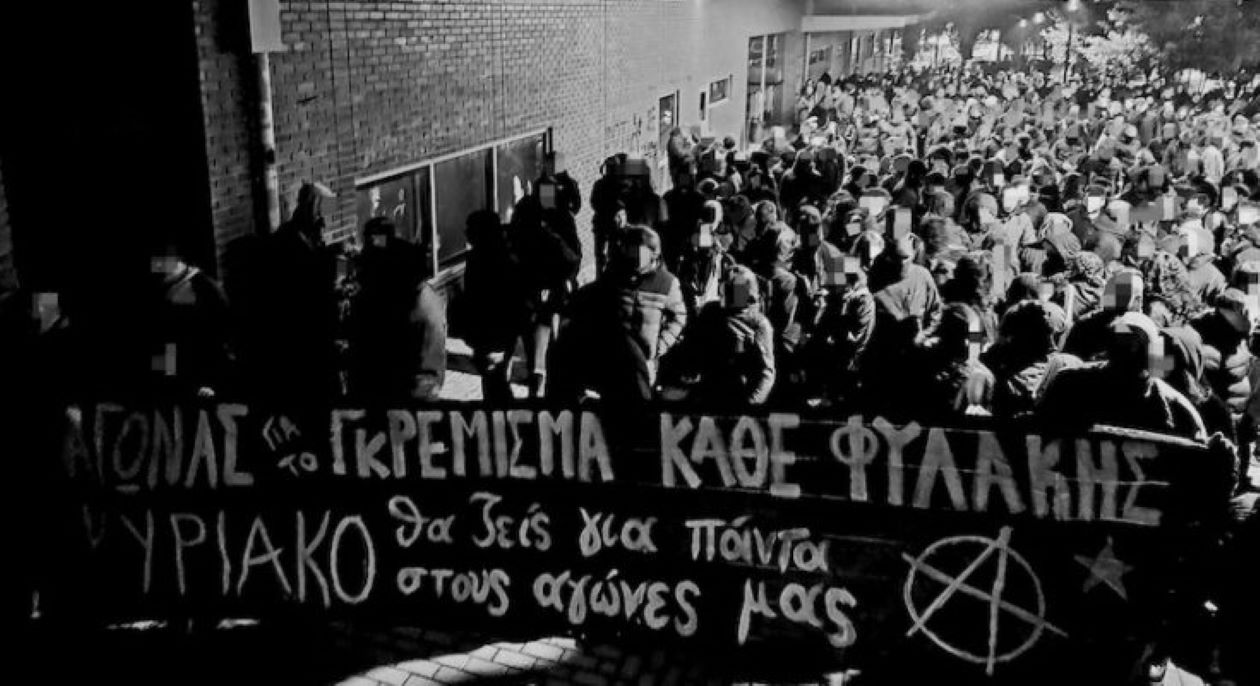
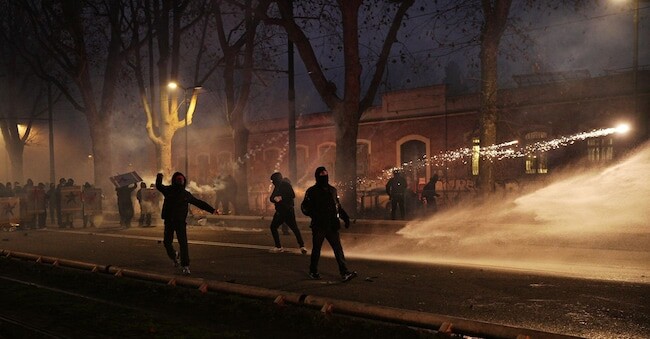
1/01, Turin, Italy. Violent clashes between protesters and police erupted when over 50,000 people took to the streets in solidarity with the Askatasuna social centre, which was evicted by police on December 18, 2025 after 30 years of activity in the area. Hundreds of riot police and dozens of armoured vehicles created a red zone around the historic social centre of Turin to prevent protesters from reaching it. Part of the protesters, who came from the anarchist and anarchist area, broke away from the march towards the end of the demonstration and headed towards Corso Regina Margherita 47, the headquarters of Aska, where clashes with the police began. The police responded to the throwing of paper bombs, rockets and fireworks with water cannons and smoke bombs. A police van was set on fire, as well as several garbage cans in the area of the clashes, while police officers were beaten by protesters and vice versa. More than 100 police officers were injured during the clashes. Ten people were arrested. Initially there was no information on the number of injured protesters. Arrest warrants have been issued for two people. Askatasuna, which means freedom in Basque, is a centre of political and cultural activity created in 1996 that has hosted hundreds of groups, collectives and operates as a centre of social services and activities in the Vanchiglia district of Turin. On March 25, 2000, it was attacked by a group of neo-fascists. At dawn on December 18, 2025, DIGOS, supported by a huge contingent of police forces, proceeded to evacuate and sieze the Corso Regina building, putting an end to almost thirty years of occupation of the building.
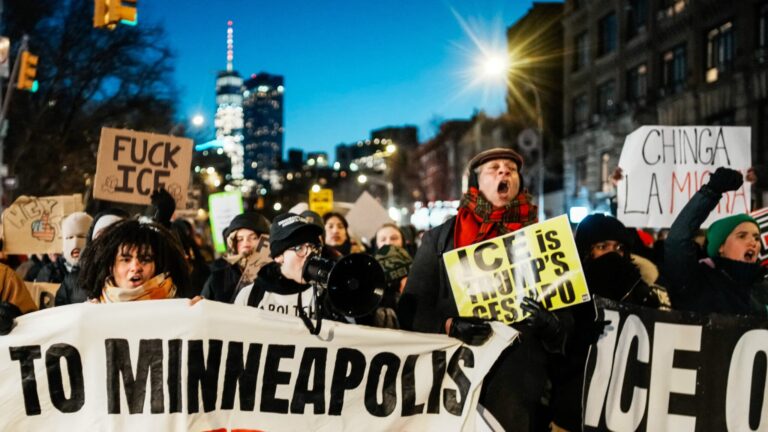
30/01, USA. Thousands of protesters took to the streets of Minneapolis as part of national protests in the US against Immigration and Customs Enforcement (ICE), following the deaths of two American citizens by federal agents. Rallies were also held in many cities across the country, including New York, Los Angeles, Chicago and Washington DC, with organisers calling on citizens not to go to work or school. The deaths of Renee Good and Alex Pretty sparked local protests and widespread public outcry across the country, drawing criticism from lawmakers from both major political parties. Organisers of the protest, dubbed the National Shutdown, have called for all businesses, schools and markets to close on 30 January, while also demanding an end to funding for ICE. In New York, marches were held against the government and ICE, calling on Trump to withdraw it from Minneapolis. A total of 250 demonstrations were held in 46 states and major cities such as New York, Los Angeles, Chicago and Washington, under the slogan: “No jobs. No schools. No shopping. Stop funding ICE”. Clashes with the police broke out in California. A few days earlier on 24/1, demonstrations and clashes had broken out again in Minnesota after the murder of 37-year-old protester Alex Pretti by federal officers, where an angry crowd gathered and demonstrated in the streets of the state, demanding that the Trump-led, intolerant police department leave the city. The agents of this agency had even arrested a 5-year-old and a toddler. Hundreds of businesses in Minnesota remained closed and thousands of demonstrators took to the streets, despite the polar cold, to protest the pogroms – mainly against immigrants – of the US Immigration and Customs Enforcement agency, ICE. The previous days, far-right extremists who declared themselves in favour of the persecution of immigrants were expelled violently.
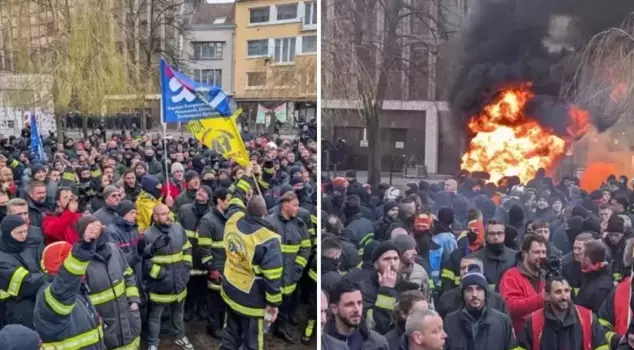
29/01, Lille, France. Clashes between police and protesters broke out during a demonstration by firefighters against low wages, lack of personnel and resources, and demanding working conditions. Hundreds of firefighters took to the streets to demonstrate, blocking the city’s ring road and the N356 highway, before heading to the headquarters of the SDIS (Regional Fire and Rescue Service). They set fire to garbage bins in the street and in front of the building, as well as vehicle tyres and various objects. Police used tear gas against firefighters trying to enter the building, and clashes broke out, culminating in the occupation of the building. Violent clashes also broke out after parts of the building were damaged and fires were started outside. Firefighters hit and pushed police officers and sprayed them with fire extinguishers, forcing the police to retreat before using tear gas and batons to disperse the crowd.
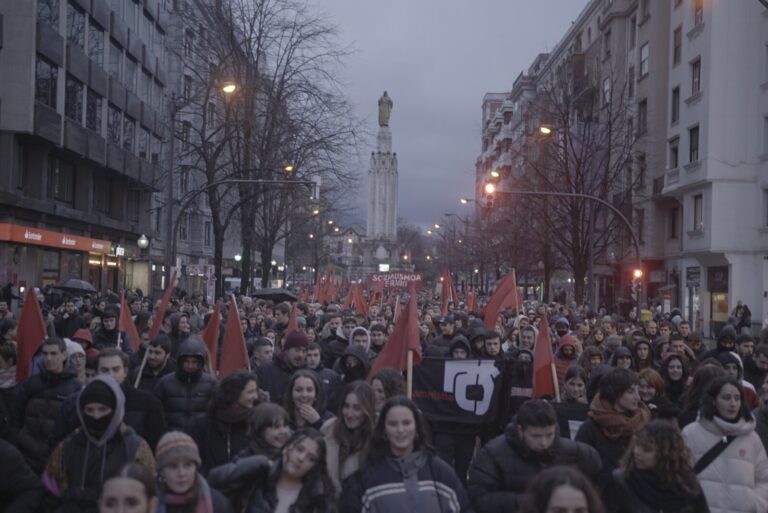
28/01, Basque Country. Over 20,000 people participated in the demonstration against fascism and state authoritarianism. Thousands of people also took to the streets of Pamplona in a large demonstration to protest against state authoritarianism, reflected in the militarisation and strengthening of the repressive police apparatus. The large demonstration in Bilbao and Irunia with the slogan “Faced with the attack of the bosses and those in power, the young people of the working class are fighting back!” had a very clear objective: to denounce the living conditions of the working class, to organise independently and fight for freedom.
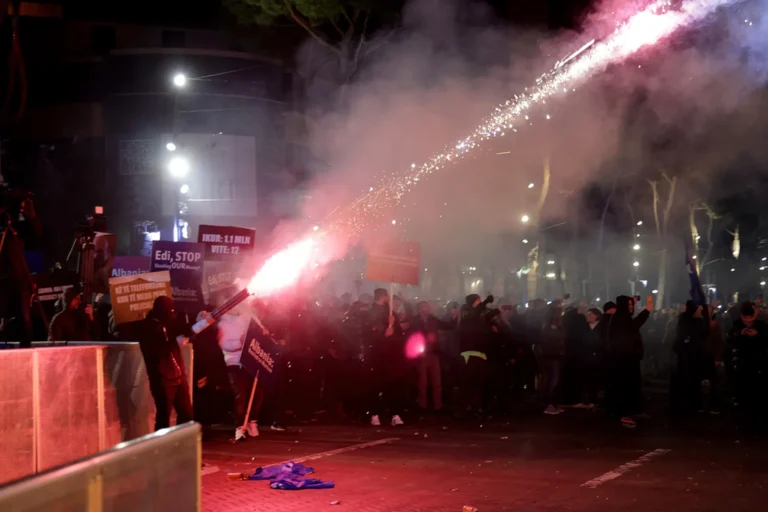
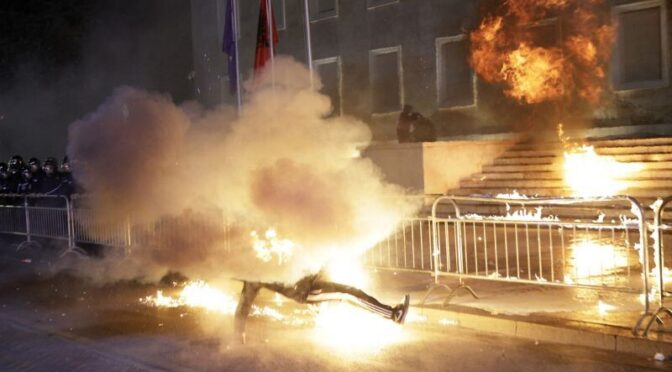
25/01, Tirana, Albania. Clashes and incidents broke out at an anti-government demonstration against corruption in Tirana. Thousands of people attended the demonstration, shouting angry slogans and denouncing corruption. The demonstration, which consisted of unaffiliated people, as well as opposition supporters, demanding the resignation of the government of Edi Rama, resulted in widespread clashes with police forces. Tension started when some protesters threw Molotov cocktails at a government building. The powerful police forces responded with chemical and water cannons. At least 10 police officers were injured and dozens of people were arrested.
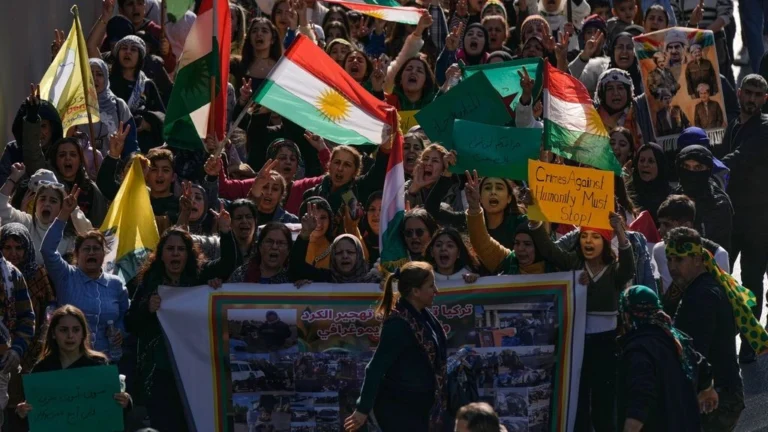
20/01, Turkey. At least 1,000 pro-Kurdish demonstrators, who were blocked by Turkish police using tear gas and water cannons, tried to cross into Syria today, at the Nusaybin border post (southeast), an AFP journalist found. The demonstrators had gathered to demonstrate against the attack against Kurdish fighters in northeastern Syria by the Syrian army, supported by the Turkish government. The demonstrators responded by throwing stones at the police and shouting in Kurdish “Long live the Rojava resistance”, as the autonomous Kurdish enclave is called, which has been under the control of the Syrian Democratic Forces for ten years, which Damascus has been trying to expel. Protesters also gathered on the Syrian side of the border, in Qamishli.
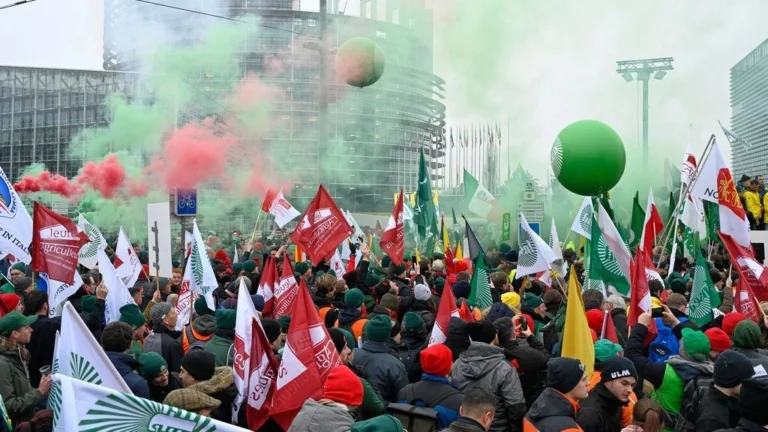
20/01, Strasbourg, France. Holding flags and ignited smoke bombs, thousands of farmers demonstrated outside the European Parliament in Strasbourg today, protesting against the EU’s agreement with Mercosur, on the eve of a vote on the issue of legal recourse. French, Italian, Belgian and even Polish farmers gathered around noon outside the European Parliament, some with their tractors. According to estimates, the number of protesters exceeded 7,500. Small clashes broke out in the afternoon, where the atmosphere was tense, with demonstrators throwing bottles and fruit at police forces, who responded with tear gas. The farmers’ main target: European Commission President Ursula von der Leyen, who signed the controversial free trade agreement with the four Mercosur countries (Argentina, Brazil, Paraguay, Uruguay) in Paraguay on Saturday. The farmers booed her, with some carrying a coffin bearing her name.
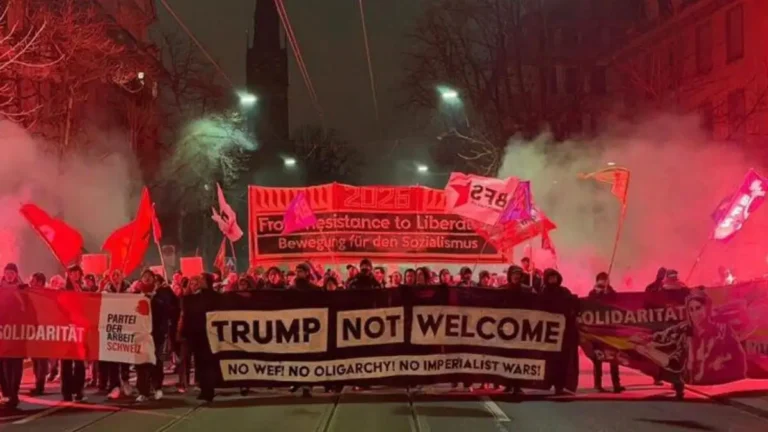
19/01, Zurich, Switzerland. On Monday evening, more than two thousand people took to the streets of Zurich to protest against US President Donald Trump and the World Economic Forum (WEF), the Davos Forum, which is taking place this week in Davos, Switzerland. Demonstrators gathered early in the evening on Bürkliplatz square to protest what they called a “meeting of the oligarchs.” Tensions were high during the march: several buildings were vandalised with spray paint, some containers were set on fire and some shop windows were damaged. Protesters threw firecrackers, smoke bombs and fireworks, and police responded with water cannons, tear gas and rubber bullets. On Sunday, there were also protests in Davos against Trump for his stance on Greenland and the concentration of wealth in the hands of global elites.
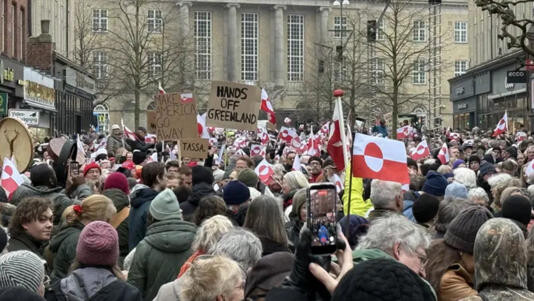
17/01, Greenland. Thousands of people took to the streets of Greenland’s capital, Nuuk, as well as the streets of Copenhagen, Aarhus, Aalborg, and Odense, to oppose Trump’s intention to occupy the small Arctic country, a self-governing territory that is “administratively” under Denmark. The protests are the largest ever held in the country. The demonstrators held placards, waved the Greenlandic flag, and chanted slogans such as “Greenland is not for sale,” defending their country’s right to self-government in the face of increasing pressure and threats from Washington. Many wore hats with the slogan “Make America Go Away” (ed. a pun on Trump’s MAGA slogan, Make America Great Again). At the same time, solidarity rallies and marches were held throughout Denmark, as well as in the capital of the Nunavut region, in the far north of Canada, which is governed by the Inuit.
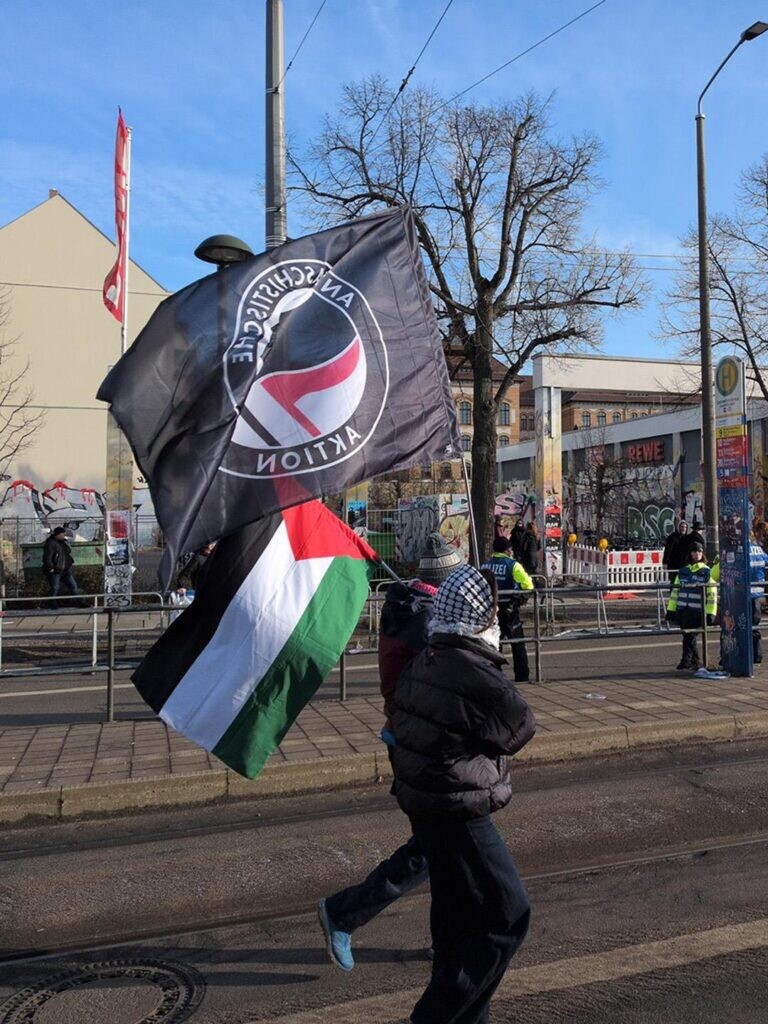
17/01, Leipzig, Germany. Around 3,000 demonstrators marched through the streets of Leipzig and outside the Konnewitz district, against the genocide being committed by the State of Israel in Palestine. The atmosphere was initially tense, as a large police contingent was at the main train station. Several groups travelling there were delayed in arriving due to train delays and some local transport disruptions. Recently, there has been a major division in Germany, and especially in Leipzig, of the autonomous area of Germany, starting with the war in Palestine. A large part of this area supports authoritarian solutions. Some are clearly with the State of Israel(!) while others are with the prospect of creating a Palestinian State. Unfortunately, there are few groups that express solidarity with the Palestinian people while not accepting theocratic, hierarchical, and military-political authorities.
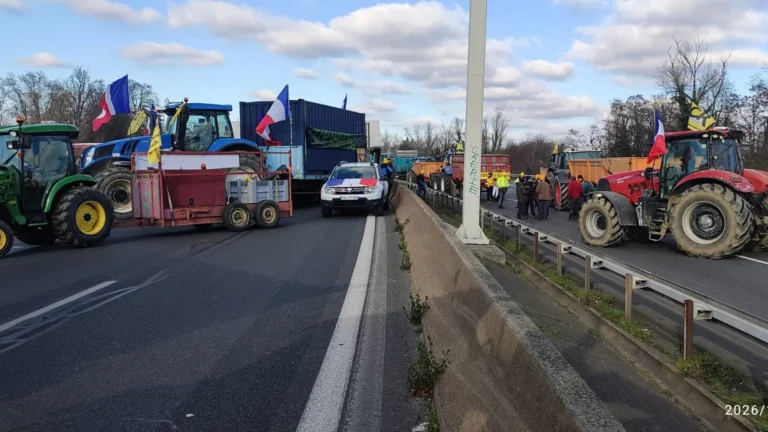
12/01, France. In the port of Le Havre, one of the country’s main logistics centres, barricades were set up at the entrance to the container terminal. Around a hundred farmers were checking trucks and their cargo to denounce the possible import of products considered “incompatible” with French and European standards. A little further south, on the A1 motorway that connects France to the major ports of northern Europe, a few dozen farmers set up a barricade near Fresnes-lès-Montauban. Here too, the aim was not simply to disrupt traffic, but also to check goods and reiterate their strong opposition to the EU-Mercosur agreement. Another action took place near La Rochelle, at the industrial port of La Pallice. An oil depot was blocked by the Charente-Maritime agricultural coordination. The farmers’ anger is not limited to France. Similar protests took place in several European countries this weekend. In Poland, hundreds of tractors were deployed in cities such as Krakow and the capital Warsaw, accompanied by mass demonstrations. Waving flags and wearing yellow vests, they marched to Parliament and the office of Prime Minister Donald Tusk. In Ireland, several thousand farmers occupied streets in the centre of the country, demanding an end to Mercosur and support for local agriculture, especially cattle farming. Demonstrations were also held in Greece, Italy, Belgium and Spain.
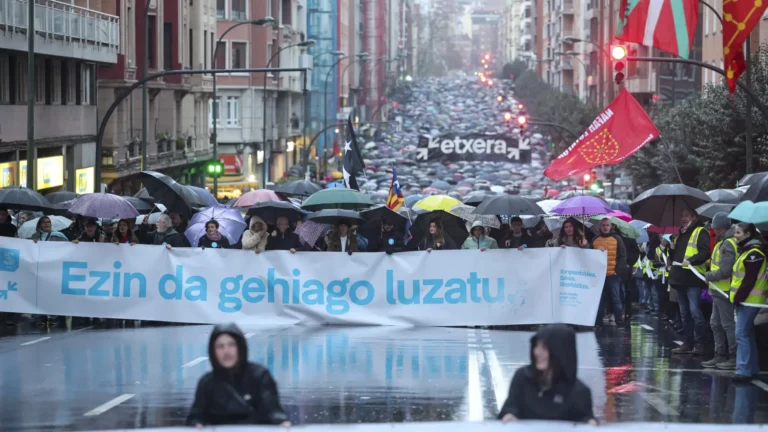
10/01, Bilbao, Basque Country. Over 65,000 people took to the streets to demand an end to the “exceptional measures” for ETA prisoners and the return of more than 400 prisoners linked to the separatist organisation. Despite heavy rain, thousands of people gathered at the demonstration to demand an end to the human rights violations of Basque prisoners who are scattered across 73 prisons in France and Spain and the implementation of the standard prison legislation that would allow them to return to their homeland. A parallel rally was held in Bayonne, the largest city in the French Basque Country, which, according to organisers, attracted 10,000 people.
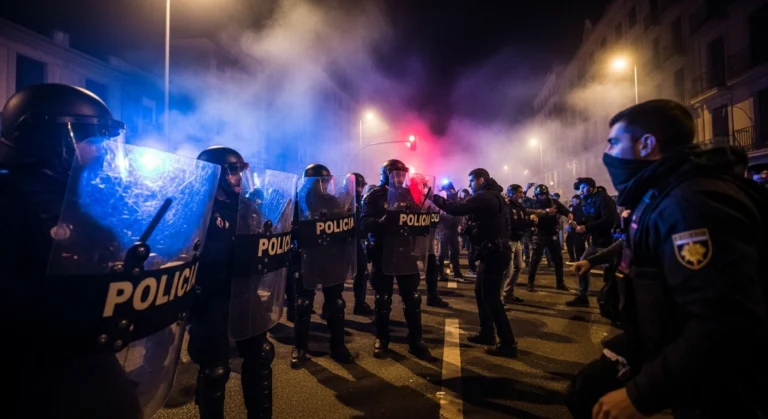
10/01, Barcelona, Spain. Clashes between police and protesters broke out during a demonstration against the establishment of a branch of the neo-fascist organisation Nucleo Nacional. The demonstration, which was attended by about 1,000 protesters, took place in an industrial area about 30 kilometers from Barcelona, where the far-right organisation had set up its new base. The anti-fascist protesters were attacked by the police, resulting in several people being injured during the attacks by the repressive forces, and 3 police officers also being injured.
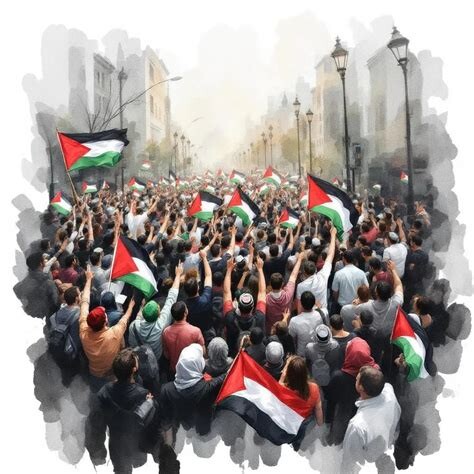
10/01, Italy. In Rome, thousands of people took to the streets of the capital and 29 other Italian cities to protest for Palestine and against the bombing of Venezuela by the United States government under Donald Trump, which aims to control the country’s vast oil reserves. Large demonstrations were also held in Turin, Milan and Bologna.
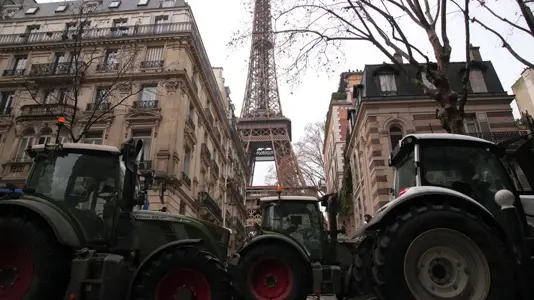
8/01, France. Farmers took to the streets to protest the EU-Mercosur free trade agreement and the EU’s plans for the next multi-annual budget (2028-2034). Hundreds of tractors in Paris reached the Eiffel Tower and the Arc de Triomphe, before moving on to the French parliament, where minor clashes with police took place. Dozens of tractors blocked motorways leading to the capital before the morning rush hour, including the A13 that leads to Paris from the western suburbs and Normandy, causing 150km of traffic jams. In Bordeaux, farmers blocked access to an oil depot owned by DPA, a company that distributes petroleum products and biofuels. In Boulogne, farmers blocked the highway connecting France with Spain. In Fontainebleau, a massive deployment of riot police blocked farmers heading to Paris and arrested several people. In Toulouse, clashes broke out with the police when the police tried to suppress the farmers’ protest. In Brittany, farmers blocked eight factories of the Leclerc supermarket chain. Dozens of other roadblocks were set up across the country. The government declared the protests illegal. Five days later, the same scene would be repeated in Paris, with blockades and many tractors marching on the Champs-Élysées.
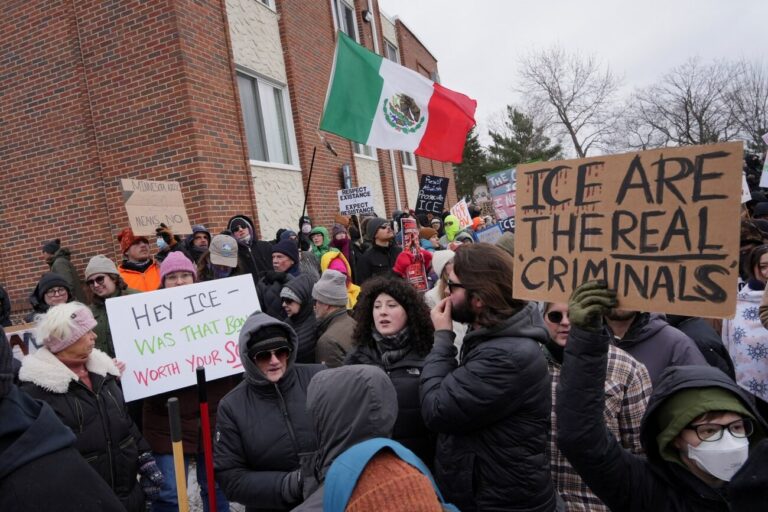
7/01, USA. Thousands of people took to the streets in several US cities to protest against the raids on immigrants by ICE agents, and against the Trump administration, after the killing of Renee Nicole Good, a 37-year-old woman in Minneapolis by an ICE agent. Police used tear gas to disperse the 10,000 protesters who gathered in front of the federal building that houses the ICE center in Minneapolis, demanding the removal of the agents from the city. The protesters, who numbered in the tens of thousands, chanted Good’s name and slogans such as “abolish ICE” and “no justice, no peace – get ICE off our streets.” Tensions escalated further in the following days when a Border Patrol agent shot and wounded a man and a woman in their car in Portland, Oregon. Large protests also took place in Florida, Oregon, Philadelphia, Manhattan, Tennessee, and San Francisco.
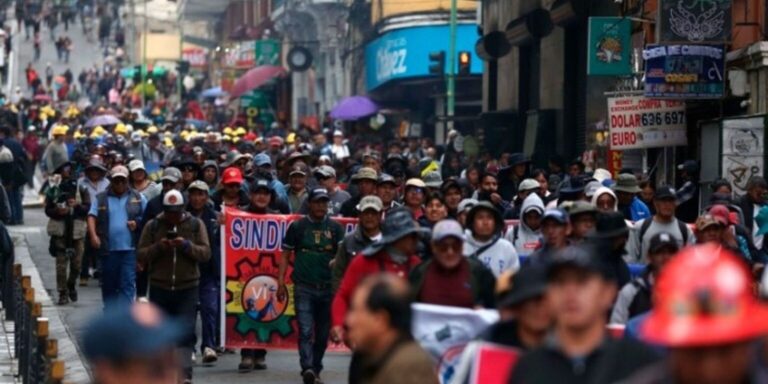
6/01, La Paz, Bolivia. Clashes between police and protesters broke out during the first national day of demonstrations against Supreme Decree 5503. The protesting workers demanded the definitive abolition of Supreme Decree 5503, a package of neoliberal economic measures enacted by the right-wing government of Rodrigo Paz Pereira, which includes increases in fuel prices and cuts in subsidies for the country’s poorest people. More than 30 road and highway blockades were carried out and continued in the following days. Other sectors (farmers, teachers) joined the demonstrations, who argue that the decree favours large private capital in the exploitation of natural resources.
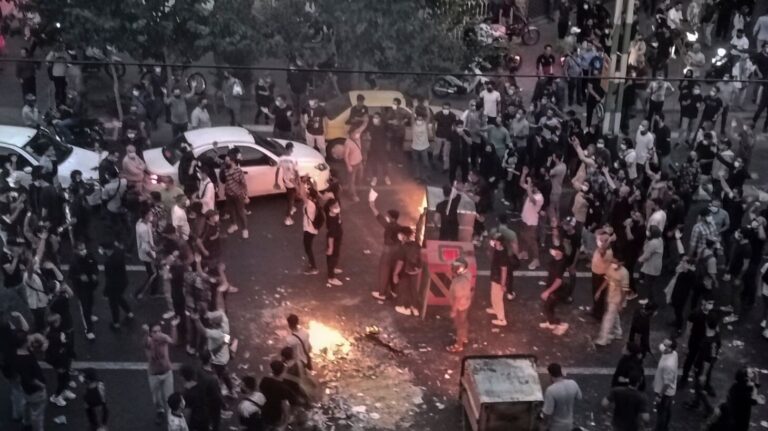
28/12, Tehran, Iran. Thousands of people poured into the Iranian capital Tehran, as well as more than 60 cities across the country, to protest against the rising cost of living and clashed with police. The ongoing demonstrations, which are being suppressed by the police, are also directed against the Islamic theocratic regime as a whole. The protests initially erupted in response to soaring inflation, the rising cost of living and general economic hardship. However, the demonstrations quickly took on a clear political character, with slogans directly challenging the theocratic rule and the supreme leader. Many protesters have been killed by police and hundreds have been injured, with the death toll rising rapidly. In Asadabad and Marvdast, protesters attacked and set fire to military police barracks. In several cities, the headquarters of the Basij, the regime’s paramilitary force, were attacked and set on fire. In Ramhormoz and Neyriz, government buildings were attacked and set on fire. The uprising became generalised and spread throughout Iran for many more days, a large part of the protesters declaring their opposition to any authority, mullahs and shahs. The social uprising was severely suppressed by the Iranian leadership with mass murders, tens of thousands of dead and the extermination of the wounded and arrested protesters and dissidents.