Montreuil/Aubervilliers : Raids and arrests of 3 comrades
“I heard they were wild but I heard they didn’t care
As long as there is the palace which burns and the convicts who got 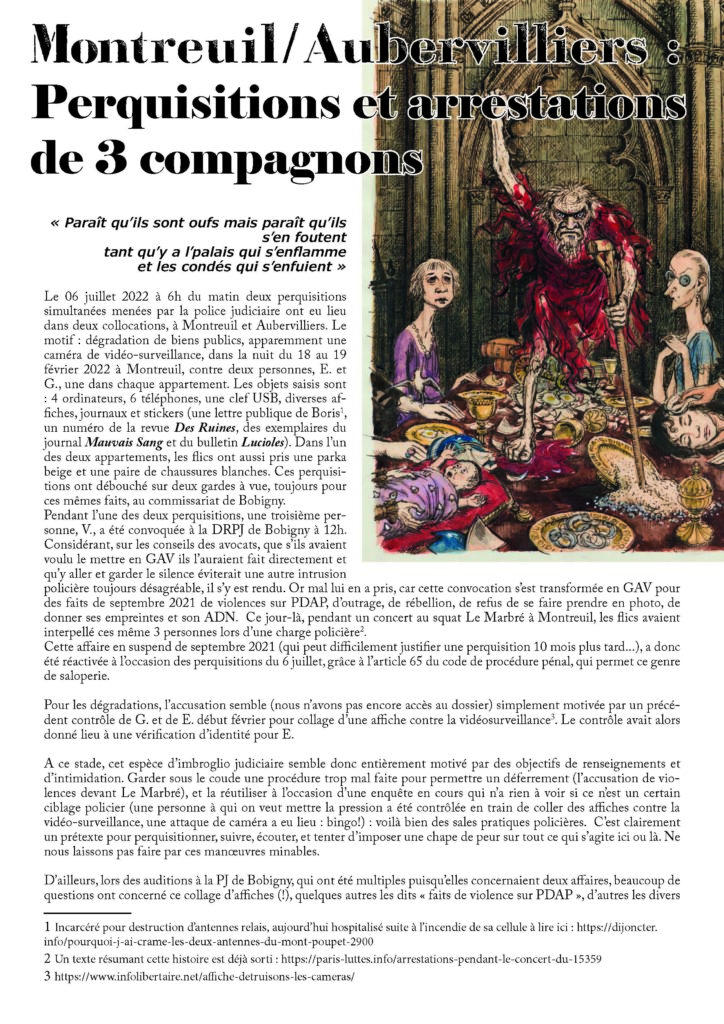 away “
On July 06, 2022 at 6:00 a.m. two simultaneous raids by the judicial police took place in two apartments, in Montreuil and Aubervilliers. The motive: destruction of public property, apparently a video surveillance camera, during the night of 18 to 19 February 2022 in Montreuil, against two people, E. and G., one in each apartment. The objects seized were: 4 computers, 6 telephones, a USB key, various posters, newspapers and stickers (a public letter from Boris [1], an issue of the magazine Des Ruines, copies of the newspaper Mauvais Sang and the newsletter Lucioles). In one of the two apartments, the cops also took a beige parka and a pair of white shoes. These raids led to two arrests, again for these same events, at the Bobigny police station.
During one of the two raids, a third person, V., was summoned to the DRPJ of Bobigny at 12:00. Considering, on the advice of the lawyers, that if they had wanted to put him in police custody they would have 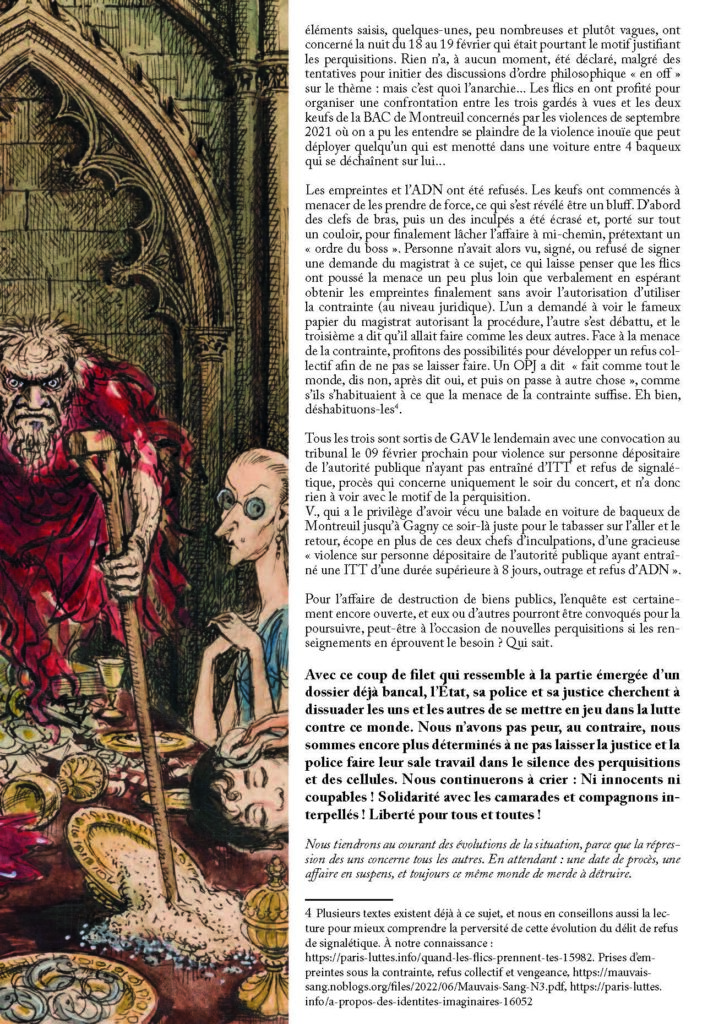 done so directly and that going there and keeping silent would avoid another unpleasant police intrusion, he went there. But it was a bad idea, because this summons was transformed into police custody for the events of September 2021 of violence on PDAP, contempt, rebellion, refusal to have his photo taken, to give his fingerprints and his DNA. That day, during a concert at the squat Le Marbré in Montreuil, the cops had arrested these same 3 people during a police charge [2]. This pending case from September 2021 (which can hardly justify a raid 10 months later…), was thus reactivated on the occasion of the raids of July 6, thanks to article 65 of the code of criminal procedure, which allows this kind of crap.
Continue reading Montreuil/Aubervilliers, France : Raids and arrests of 3 comrades →
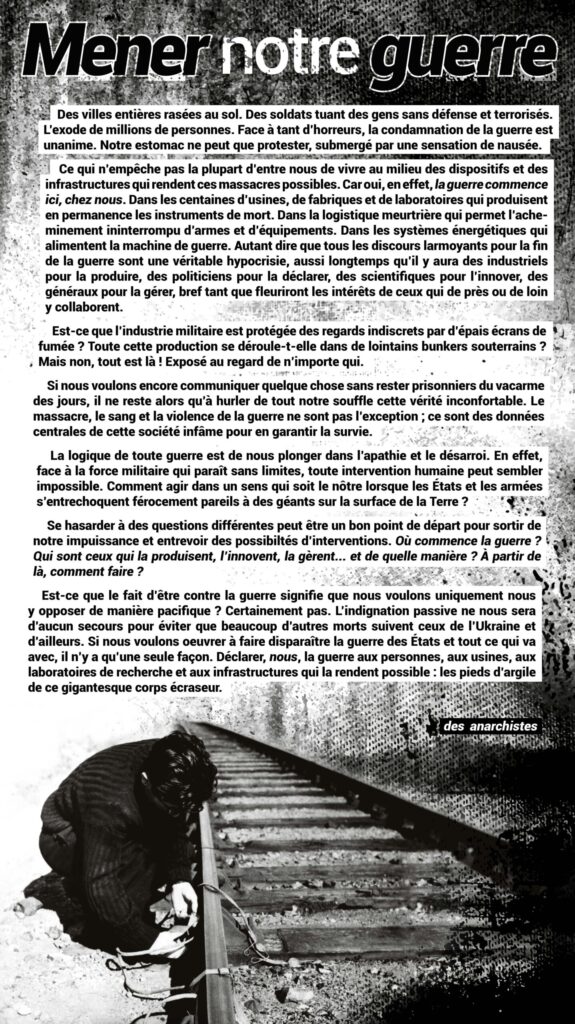 the energy systems that feed the war machine. In other words, all the tearful speeches about the end of war are a real hypocrisy, as long as there are industrialists to produce it, politicians to declare it, scientists to innovate it, generals to manage it, in short, as long as the interests of those who collaborate with it from near and far flourish.

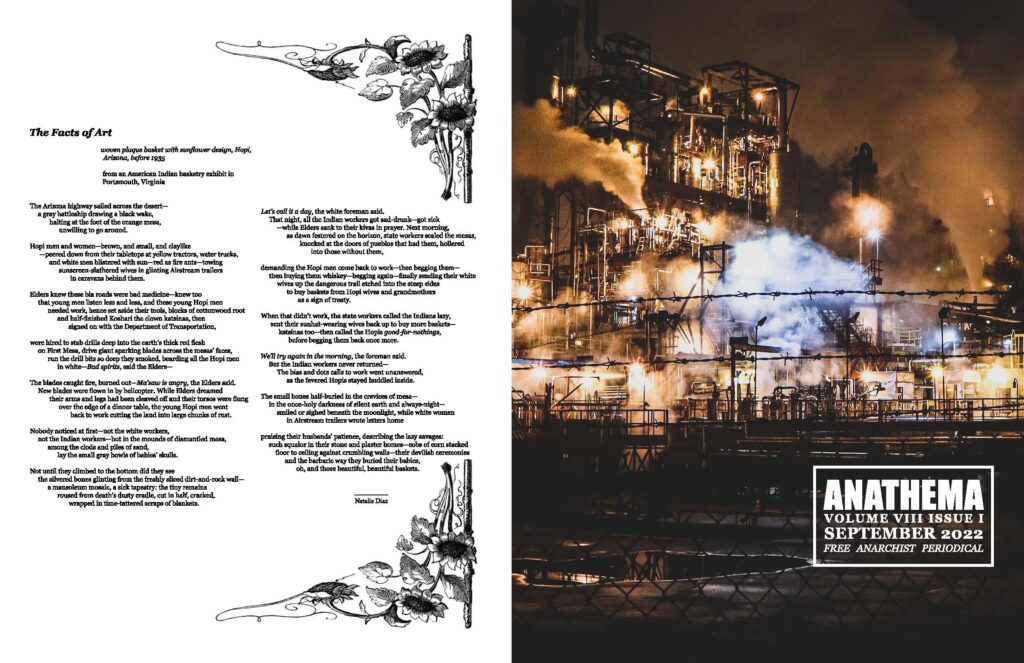
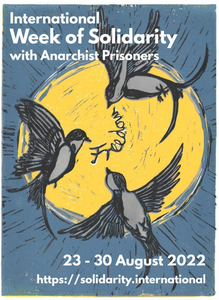 These words travelled by your side from a cell very far from yours. They carry with them, the identically guilty thoughts that crush borders and walls. They carry the same persistence and impatience for the return to the paths of fire. Those thoughts don’t die daily on the iron bars and uninformed figures that separate us. They remain alive accompanying the same necessity for one more consensual plan that will surrender to the fire and gunpower the order and safety of this old world.