
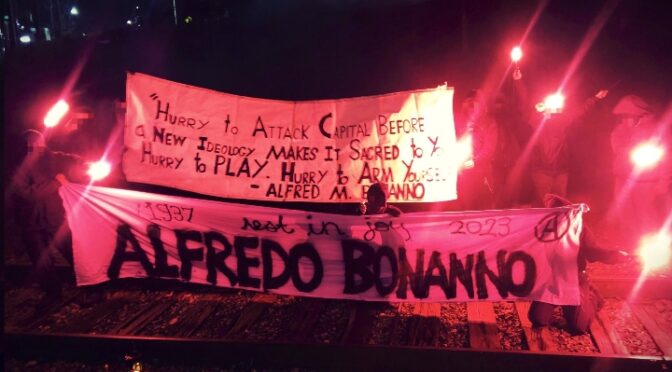
For the revolutionary anarchist Alfredo Bonanno
On 6 dicembre the anarchist comrade Alfredo Bonanno died at the age of 86 years. Alfredo was an emblematic figure of the insurrectional tendency of the anarchist movement. His political activity extended to the whole range of militant practices of the movement and his writings have addressed a multitude of theoretical, historical and ideological issues, such as the question of insurrection and political organisation, revolutionary and armed struggle, the contemporary tendencies of capitalism, the relationship between nation and class, themes that he addressed with originality and acumen, which places him among the most important contemporary anarchist thinkers.
His revolutionary activities often caused him to be targeted by the repressive forces both in Italy and in Greece, where he has had close political contacts since the early 1990s participating in political events, international initiatives, solidarity movements and editorial projects. It would not be exaggerated to say that some of his works, such as Theory and Practice of insurrection left a strong mark on the formation of the Greek anarchist movement of the nineties and two thousand.
Continue reading Greece: For the revolutionary anarchist Alfredo Bonanno by Class Counterattack – Group of Anarchists and Communists, December 2023
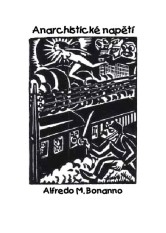
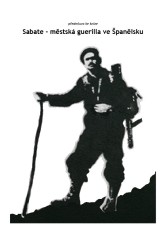
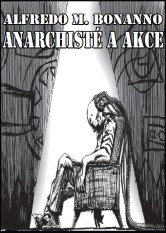
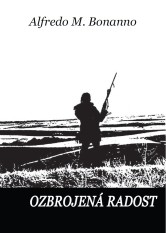
 Dne 6. prosince 2023, ve věku 86 let, zemřel dlouholetý anarchista Alfredo Maria Bonanno. Prožil neuvěřitelný život a ještě před 14 lety, ve svých 72 letech, čelil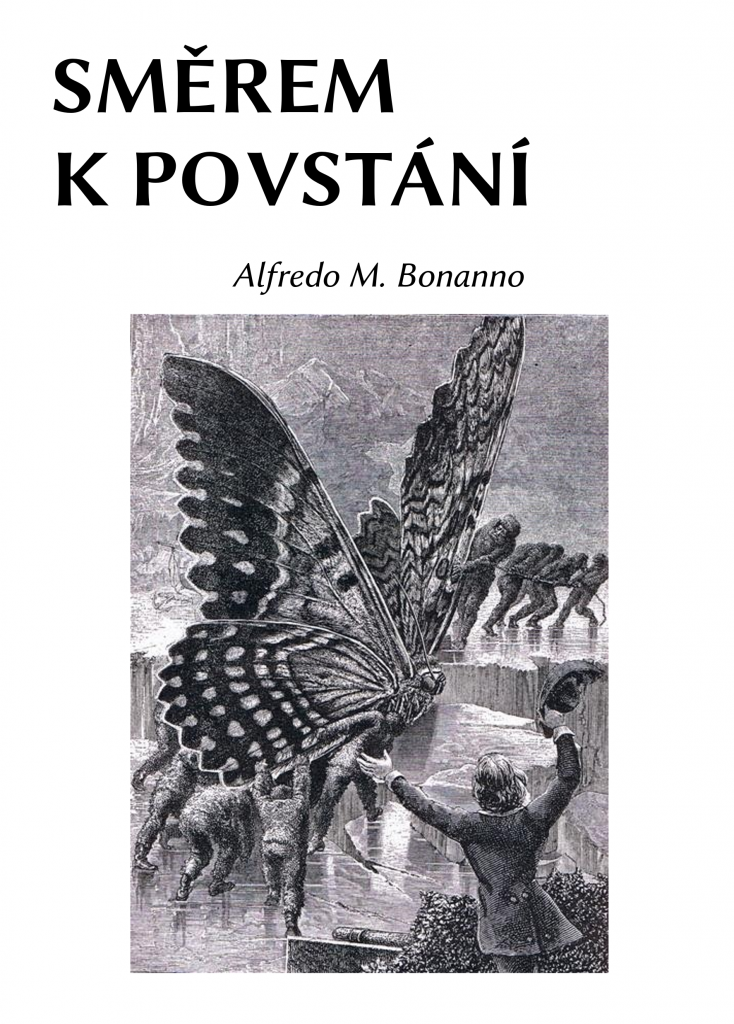

 As always: angry, enthusiast, wild, worried and looking for interesting reflections and analyses in a world which doesn’t show us much good stuff. We wrote about nuclear technology (keep an eye on this, read about it, talk about it, do something), leaving as few as possible DNA traces, attack, so-called Smart Cities and much more.