Starting today, the Ears and Eyes project is now hosted by the Counter-Surveillance Resource Center (CSRC). The present website will not be updated anymore. The new address is:
This new website has a modern design, is easier for us to update and brings advanced search features to our database, allowing you to filter and search through our 100 cases of surveillance devices hidden by law enforcement and intelligence agencies.
Feel free to check out CSRC’s other projects, including their database of resources on targeted surveillance and their Threat Library (a threat modeling tool for anarchists).
As usual, you can get in touch with us if you have feedback, criticisms or information to give us. We also welcome translations in any languages. You can now contact us at CSRC’s email address – csrc@riseup.net – or use our old address if you prefer.
Ivan, an anarchist who has been in pre-trial detention in France for some time, reported in a letter that French police were able to gain access to the contents of his laptop.1 The laptop in question had an encrypted Ubuntu Linux installed. Another device with Windows installed and encrypted with Bitlocker could not be accessed. Ivan explained in his letter that he had used a 20-digit password consisting of letters, numbers and special characters for the system.
TL;DR
No, the Linux disk encryption has neither been cracked nor is it “insecure”. The performance of the technology as well as the algorithms have evolved, so the encryption settings should be checked and updated if necessary.
Table Of Contents
Since then, there have been discussions on the web and in our environment about how this was possible, whether an outdated crypto algorithm in Ivan’s Ubuntu installation was to blame, and what this means for the security of other Linux systems. We even received claims that the encryption of the Tails operating system – which is also a Linux system – was not secure due to outdated algorithms. The topic of device encryption is not easily accessible to many, so we’d like to frame the discussion a bit with this post. Continue reading 30/04 2023, Is Linux hard disk encryption hacked?→
In our experience, most of us in North America aren’t in the habit of thinking very much about DNA traces. Information about how DNA traces are created or prevented is limited to several myths that are passed around. That said, you can be pretty certain that whenever arson is involved, a DNA forensics team will be involved too. For example, an arrest was made recently for a Jane’s Revenge arson after DNA was recovered at the crime scene. We want to briefly summarize some practical considerations. By arming ourselves with some preparation and an accurate understanding of how DNA is transferred, it is possible to drastically limit the amount of DNA we leave behind.
Although DNA is something we should always keep in mind when planning our participation in a riotous moment, we don’t want people to feel overwhelmed by this information. Actionable knowledge empowers us to avoid the dual traps of recklessness (acting as if DNA doesn’t exist) and immobilization (as if leaving traces and their analysis in a laboratory is inevitable). Continue reading Minimizing DNA Traces During Riotous Moments.→
“Nothing changed in terms of the targeted repression that began to be applied to those who did not want to submit to the transition and to the itinerary of Pinochet’s constitution (…) How much young blood was still to be shed in this last year of dictatorship and in the years to come of police democracy of the Concertación*” – Hans Niemeyer, 2015
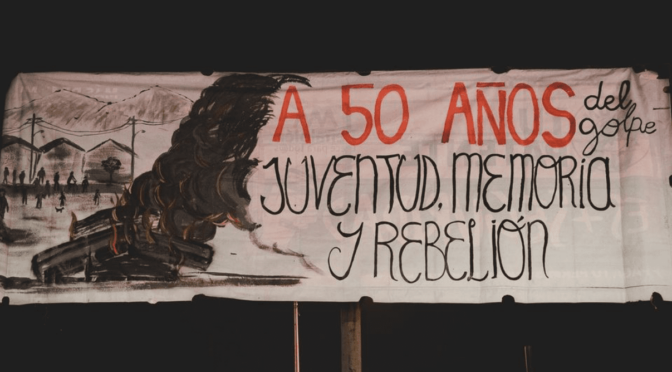
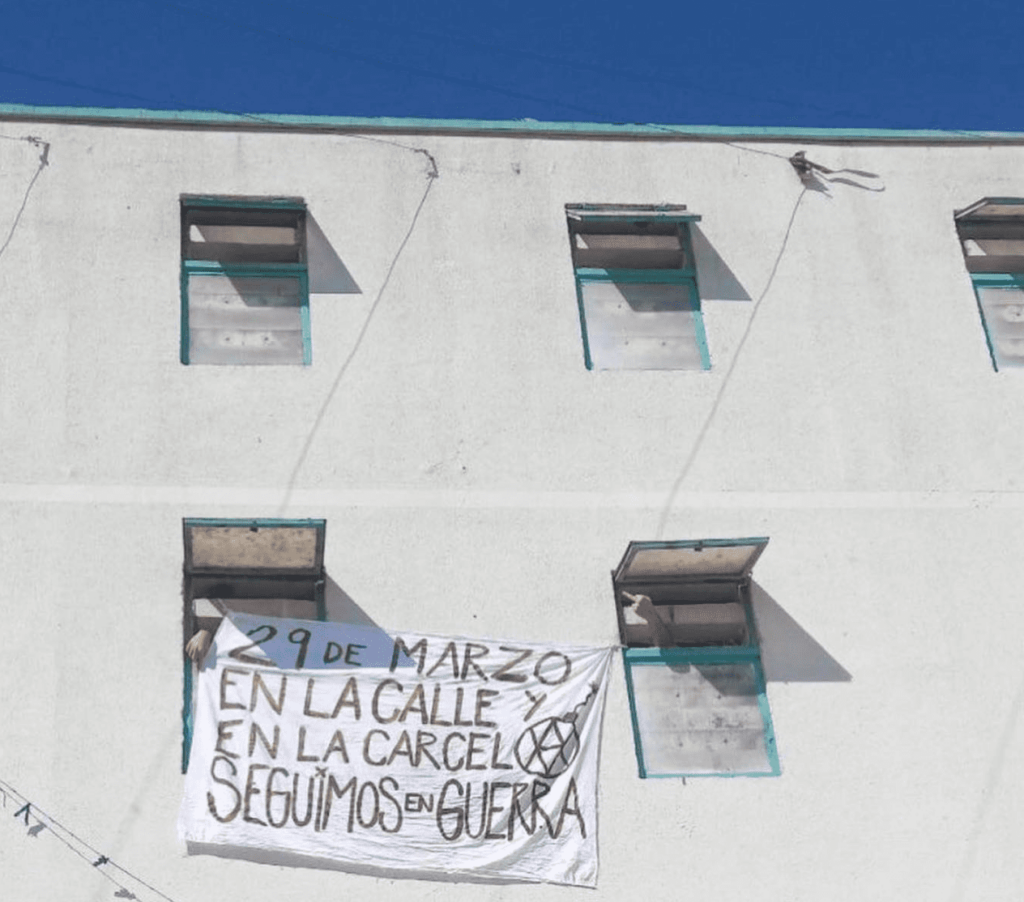
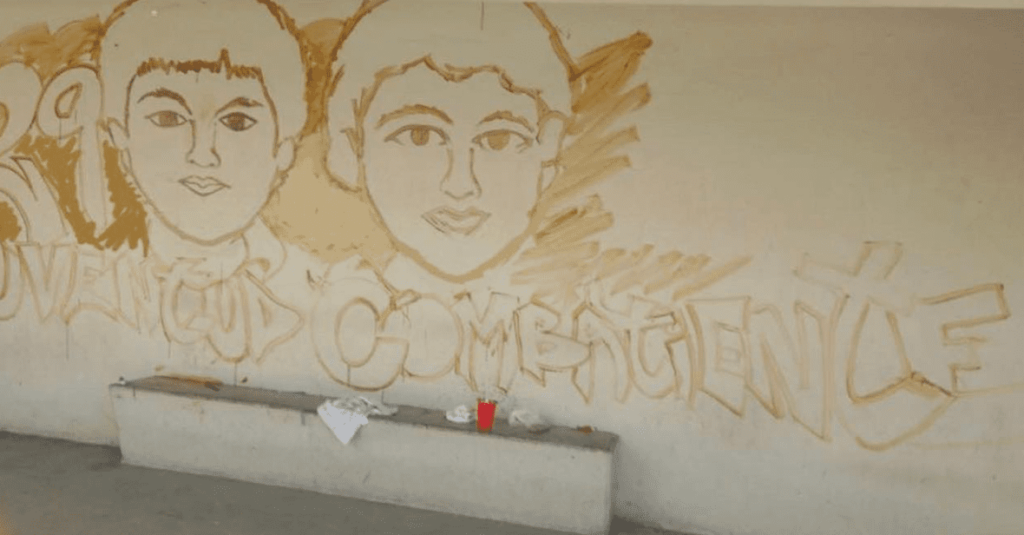
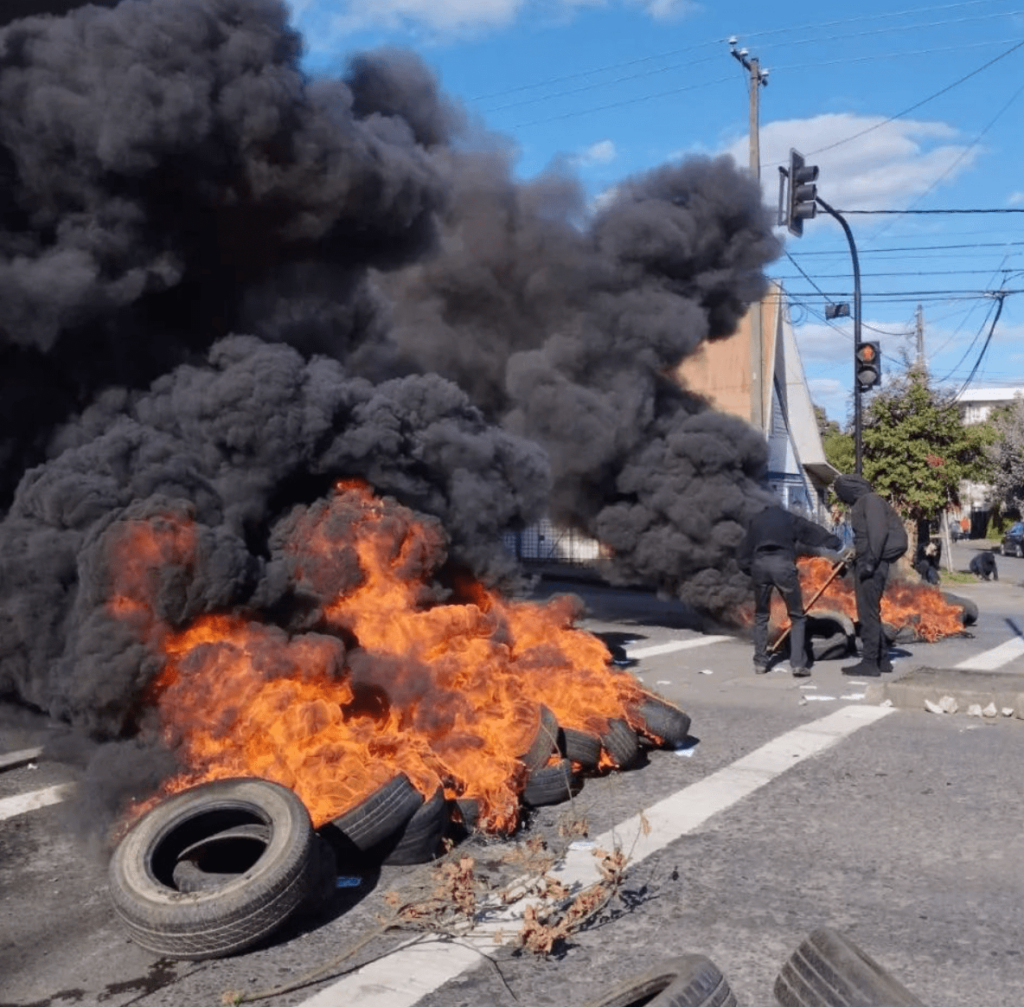
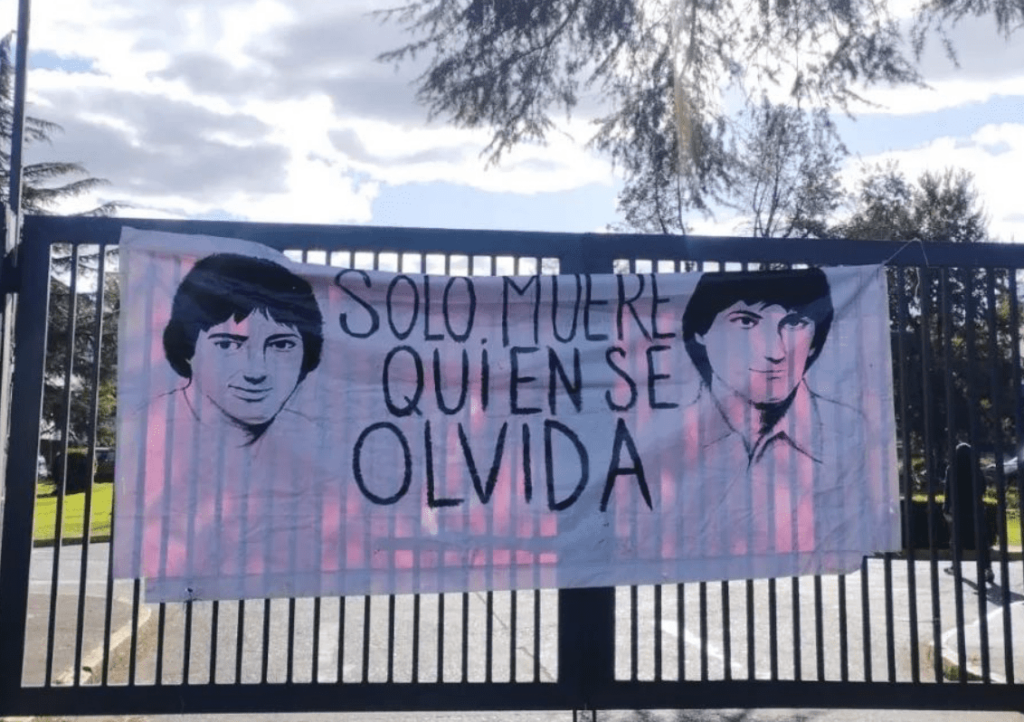
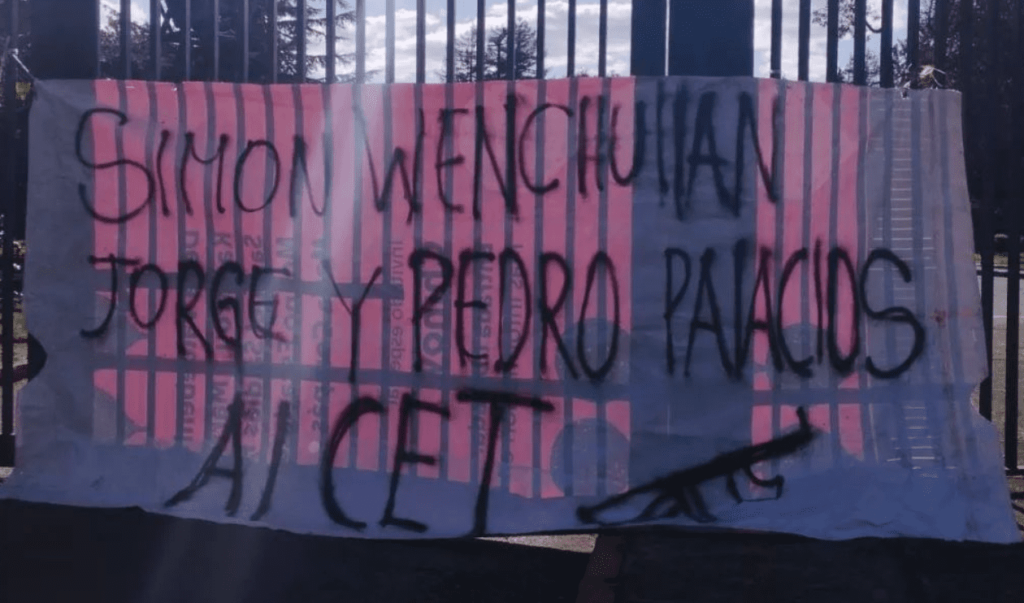
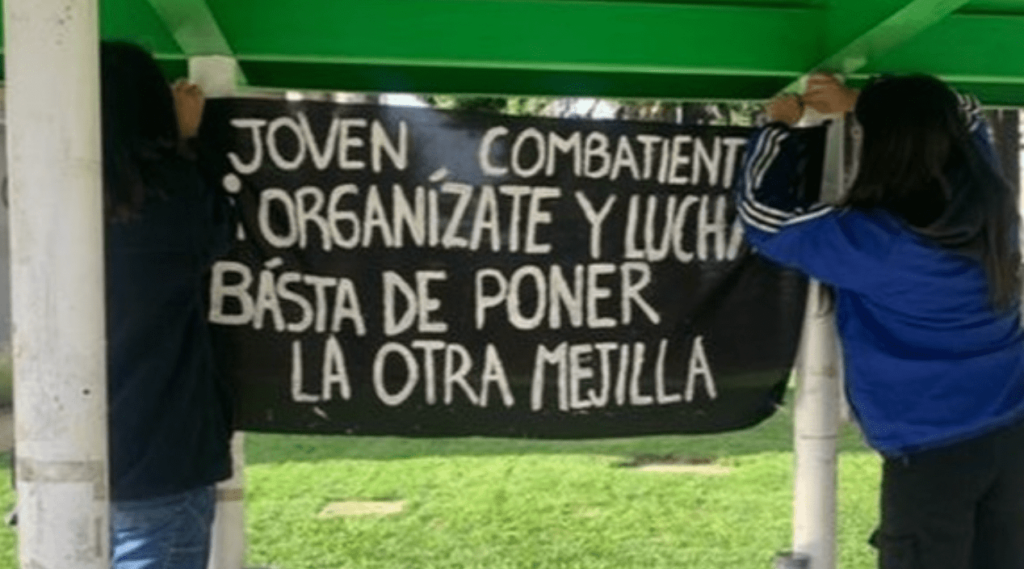
On March 29, a demonstration was held to commemorate the Day of the Young Combatant, 38 years after its origin [1]. Historically, this date has brought together thousands of people in different parts of the territory who gather, generally, to denounce the dictatorial legacies of the Pinochet regime, extended by the rearrangement of the transition to democracy and, specifically, to give life to the memory of anarchist and subversive combatant youth.
Over time, this day has changed, although always characterized by street confrontations against the institutions of the police: “(…) in its first epoch, Maricio Maigret, Paulina Aguirre and the Vergara Toledo brothers, all militants of the MIR, were remembered. With the passing years, this date has come to incorporate new faces and names of youth who have died in the struggle against capitalism and power: Sebastián Oversluij, who died during a bank expropriation in Pudahuel. Mauricio Morales, attacking the military academy with a bomb. Claudia López, while participating in the barricades during a September 11th demonstration in La Pincoya. Jhonny Cariqueo, killed by a police beating on March 29, 2008. Jacier Recabarren, rebellious child who died in a transit accident.” [2]
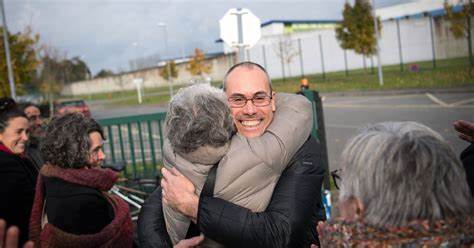
Following the great news of March 28th (https://www.msn.com/it-it/notizie/italia/vincenzo-vecchi-l-ultimo-anarchico-condannato-per-il-g8-di-genova-anche-per-lui-niente-estradizione-dalla-francia/ar-AA19deCp), we receive and spread the following:
After numerous hearings, court proceedings, rulings for and against, opinion of the European court of justice etc. etc.
In France Vince is finally free.
In fact, after last Friday’s ruling effectively refusing to accept the European arrest warrant, the French prosecution decided not to appeal in cassation.
Temucuicui – On Recent Police Repression in Our Territory
March 4, 2023
Public declaration on recent occurances of police repression in our territory.
Autonomous mapuche community Temucuicui, declare the following before local, national and international public opinion:
1. Yesterday afternoon, March 3, 2023, the special forces of the carabineros launched a brutal intervention, using different weapons indiscriminently against our weichafe who resisted the military police incursion with only lances and witruwe (1), and gravely wounding weichafe Hugo Queipul (son of lonko Victor Queipul). They shot directly at our peñi with steel pellets, causing internal bleeding and compromising his stomach and lung, a serious clinical situation for which he is hospitalized in the intensive care unit, and will require surgery for the wounds tomorrow at Victoria hospital. We must remember that these are the very same steel pellets that took the life of our weichafe Alex Lemun in 2002, in addition to being a prohibited type of ammunition in the acting protocols of public order control. It should also be mentioned that an 11 year old minor in the community was also wounded by pellets in various parts of his body, and also needed to go to the doctor’s office in Ercilla. There are also others who were wounded in the community who refuse to go to a clinic out of fear of being arrested. Continue reading Autonomous mapuche community Temucuicui: On Recent Police Repression in Our Territory→
OPSEC is military and intelligence jargon for “operational security” and refers to techniques designed to prevent their people being caught during or after an “operation”.
The fact that we have to talk about such things at all when it comes to issues like exercising the fundamental right to freedom of assembly or small acts of civil disobedience is a clear indication of how far the state’s mania for security and collection has already developed. It is generally better to invest resources on pushing back the security apparatus than in a technical arms race with state agencies.
Nevertheless, there is of course nothing wrong with trying to avoid giving unnecessary material to state authorities and exercising the right to informational self-determination. To prevent or at least significantly limit leaving casual traces, it is necessary to wear new gloves, a face mask, a hair net or, even better, closed headgear (e.g. a swimming cap) and washed clothes with long sleeves and pant legs[1]. Continue reading Strategies for Countering Police Access to DNA Data→
A brief overview of modern forensic linguistics methods for determining authorship.
The following article tries to give an overview from a non-technical perspective and to make a corresponding evaluation. There are some academic publications on this topic that could be evaluated for a better assessment. However, my main purpose here is just to raise the issue, not to provide a sound and conclusive view so if you know anything more, publish it!
Avoiding traces that could be your undoing down the road – perhaps even after years or decades – is probably of interest to most people who occasionally commit a crime and come into conflict with the law. Avoiding fingerprints, avoiding DNA traces, avoiding shoe prints and textile fiber traces or at least disposing of clothing afterwards, avoiding surveillance cameras, avoiding tool traces, avoiding recordings of any kind, recognizing surveillance, etc. – all this should be a concern for anyone who commits crimes from time to time and wants to protect themselves from identification. But what about those traces that often arise only after a crime has been committed, out of the urge to explain one’s deed anonymously or even by using a recurring pseudonym? When writing and publishing a communiqué?
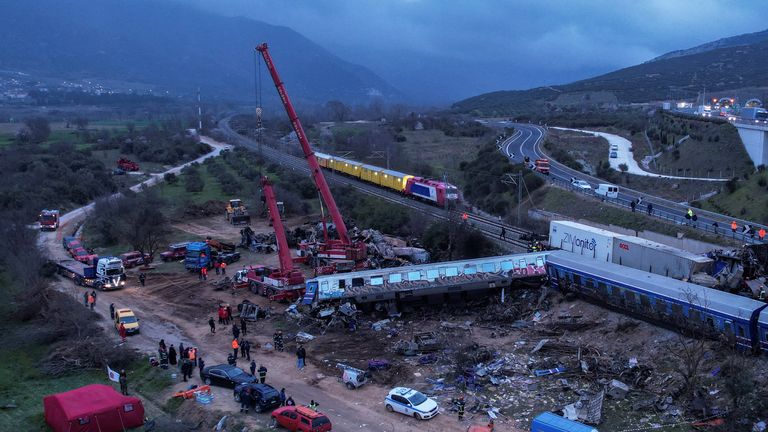
Greece: a country in mourning, still in shock, following the death of 57 people in a train crash at Tempe, the deadliest in the country and one of the worst in Europe.
8 days later the dead passengers, mainly young students, are still being buried and people continue to protest against the crime executed by the neoliberal government and a private company, that chose to sacrifice passenger safety for profit, resulting in a passenger service train, carrying more than 350 people, ramming into a freight train, just before midnight on Tuesday 28 February 2023, after they ended up on the same track mainly due to the lack of technical equipment and the incompetence of the stationmaster, causing the front carriages to burst into flames. Ongoing revelations of staff shortages and substandard equipment have revealed the dangerous state of the privatized rail network. It was indeed an accident waiting to happen.
For 8 days now, almost all protests in Athens have been brutally attacked by the so-called “mourning” riot police, under the orders of Mitsotakis government that pretends to care, while they even close down all metro stations around a protest’s starting point to deter people from joining them. Such is the government’s sincerity and repentance for the blood of 57 people on their hands.
Just a few months before the parliamentary elections, the situation in Greece is unpredictable, with a criminal government employing cops to attack and crash mourning vigils, demonstrations and protests, in a place where there is no justice, nor peace.
* Most of the footage in this video has been shot on the 5th day of protests in Athens, on Sunday, 5 March 2023.
——
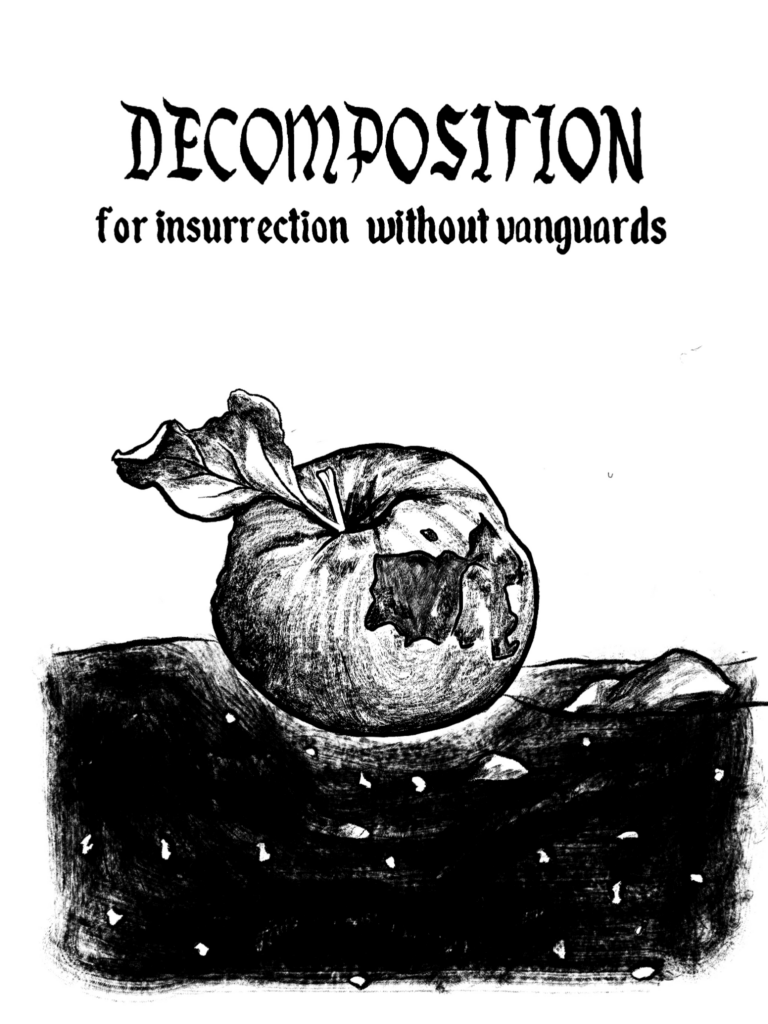
The writings of Tiqqun and the Invisible Committee have given rise to the emergence of an authoritarian insurrectionalist tendency that has been recruiting and building its ranks for about the past decade and a half. Although one of the trademarks of tiqqunism is its approach to “invisibility”, or not being legible as a distinct tendency, after so many years and some significant betrayals, tiqqunists have thoroughly revealed who they are and what they want, which is at direct odds with any struggle against authority.
While tiqqunism has crossed the pond from France and taken root across turtle island to some extent, the anarchist critique of tiqqunism has not. This reflects a general commitment to tolerance in the anarchist space, an unfortunate reaction against the ideological dogmatism that silos people in insular and stale subcultural enclosures. Thinking through the lens of this false dilemma comes at the expense of uncompromising clarity around how we relate to power, reformism, representation, and the mechanisms of politics. In short, this tolerance, even when motivated by a desire for openness and connection, blurs the lines which lie at the very foundation of autonomy and self-organization. Continue reading Decomposition: For Insurrection Without Vanguards→
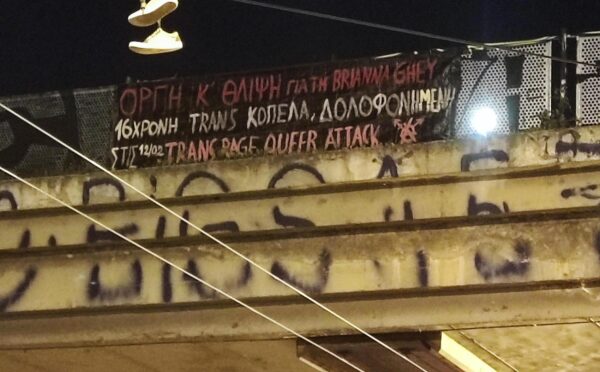
On the murder of 16-year-old transgender Brianna Ghey on 12/02 in Britain
TW: Transphobic violence, murder
On Sunday 12/2, 16-year-old trans girl Brianna Ghey was murdered after a targeted stabbing attack in a public park in England. Cops and mainstream media claim that the evidence is still not enough to call it a transphobic attack. Of course, how can a targeted murderous attack on a trans person not be transphobically motivated?
In the face of the killer we see the two 15-year-olds who have so far been accused of carrying out the vile act of hate, but we also see the mainstream media – true to their role – murdering Brianna again by erasing and concealing her trans identity from the public and using her deadname.
We see the State with its policies trying to pass-and passing-laws that exclude trans people. We see the ever increasing wave of fascism in England, we see the rise of the terfs population making the ground barren for an inclusive feminist solidarity. We see the chronic demonisation of the trans community, exclusion, marginalisation, loneliness, abandonment and disregard, hatred.
Testimonies from friends confirm her traumatic past experience as a transgender individual, as she had been subjected to years of verbal bullying (online and offline), up to physical bullying after being beaten up by a group of her classmates.
We’re here again after this hot winter! Still a time of war, climate-struggle/destructivity/pessimism/idealism, repression, technology and an online mirror-world, farmers, arsonists and uprisings trough out the world.
Not all of this could be captured in this little big pocket-sized RUMOER, but some found its way in.
We do like to spread this zine for free, not just by mail or in social spaces, but also on the streets and
events. This does cost money…If you can, donate lots:
BIC: INGBNL2A NL75 INGB 0004253090 in the name of ITHAKA in Utrecht, in the description RUMOER.
You can order paper versions by sending an email to rumoer at riseup dot net.
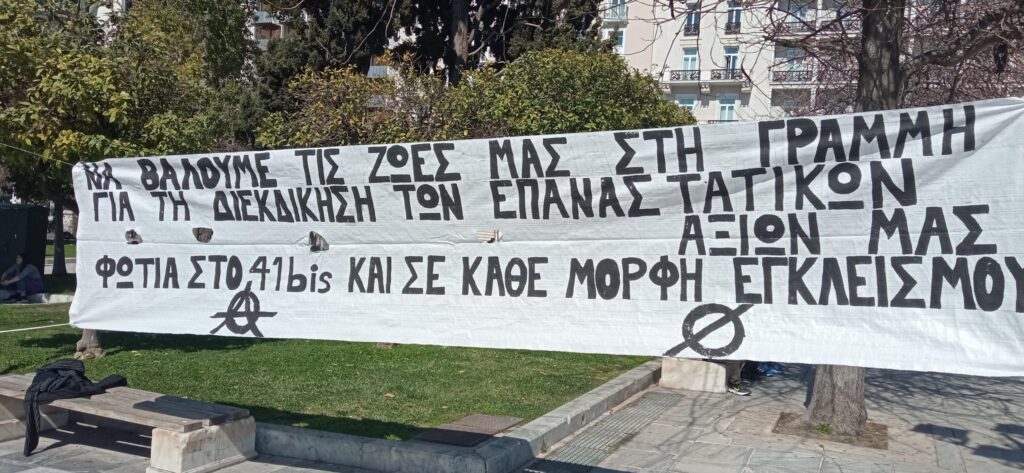
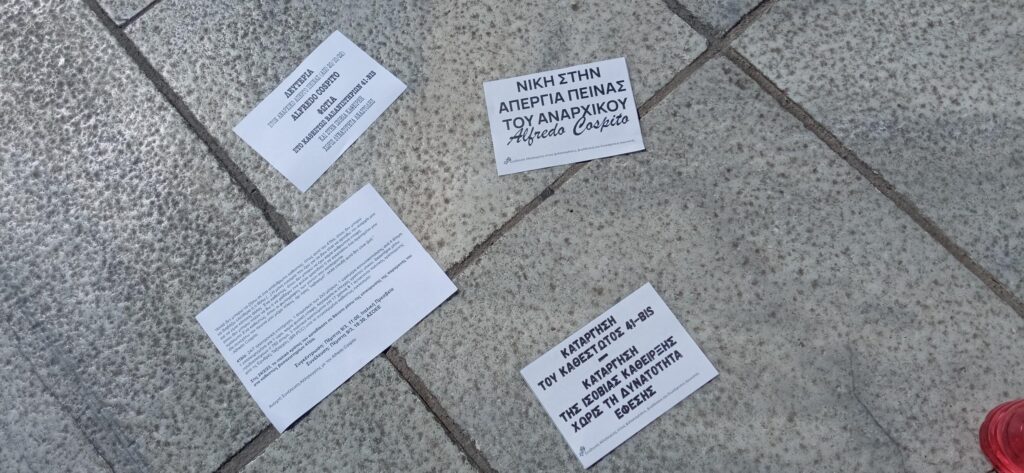
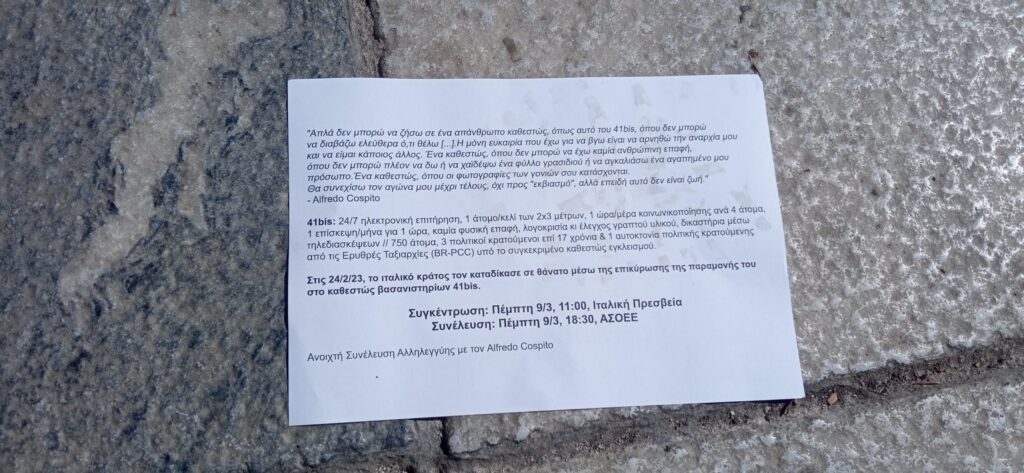
Concerning the request for annulment of the measure of 41 bis for Alfredo Cospito by the attorney general in view of the cassation hearing of 24th February
The newspapers of the Agnelli [Fiat] family (la Repubblica and la Stampa) revealed in this morning’s editions (12 February) that the attorney general at the court of cassation had filed for the hearing of the 24th of February a request for annulment of 41 bis with regard to Alfredo Cospito. This is undoubtedly good news, but it should not be overestimated. Naturally because as anarchists we have no faith in bourgeois justice, specifically because it is not uncommon for the cassation to make more radical decisions than those demanded by the prosecution itself.
Finally, we cannot forget that Alfredo’s clinical situation is very serious and that February 24th could be too far off. the whole thing could turn out to be a terrible hoax.
We are persisting in our demand for the immediate declassification of our comrade, convinced that any result achieved will depend solely on the fight to the last breath that Alfredo has put in play and by the international solidarity movement that has emerged.
A brief overview of modern forensic linguistics methods for determining authorship.
The following article tries to give an overview from a non-technical perspective and to make a corresponding evaluation. There are some academic publications on this topic that could be evaluated for a better assessment. However, my main purpose here is just to raise the issue, not to provide a sound and conclusive view so if you know anything more, publish it!
Avoiding traces that could be your undoing down the road – perhaps even after years or decades – is probably of interest to most people who occasionally commit a crime and come into conflict with the law. Avoiding fingerprints, avoiding DNA traces, avoiding shoe prints and textile fiber traces or at least disposing of clothing afterwards, avoiding surveillance cameras, avoiding tool traces, avoiding recordings of any kind, recognizing surveillance, etc. – all this should be a concern for anyone who commits crimes from time to time and wants to protect themselves from identification. But what about those traces that often arise only after a crime has been committed, out of the urge to explain one’s deed anonymously or even by using a recurring pseudonym? When writing and publishing a communiqué? Continue reading Who wrote that?→